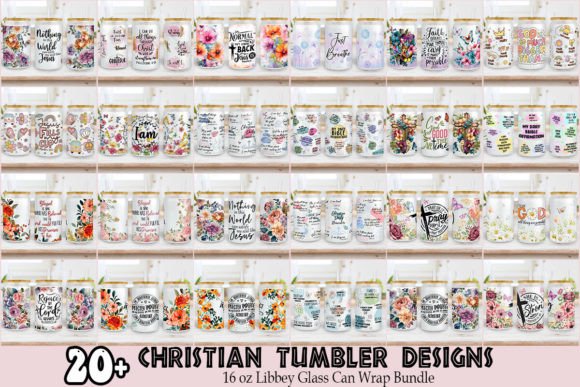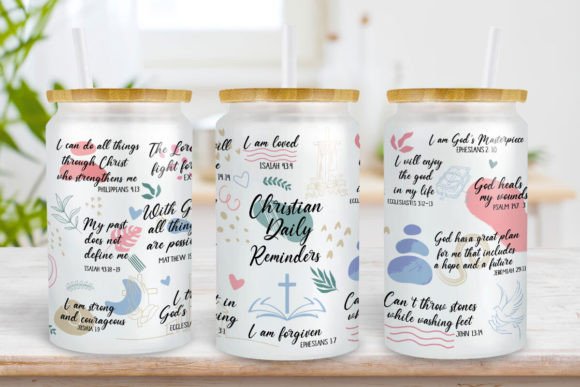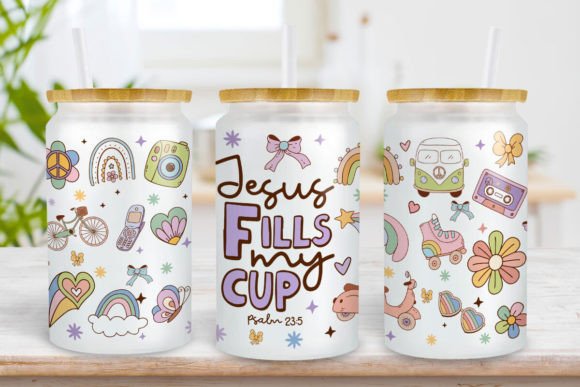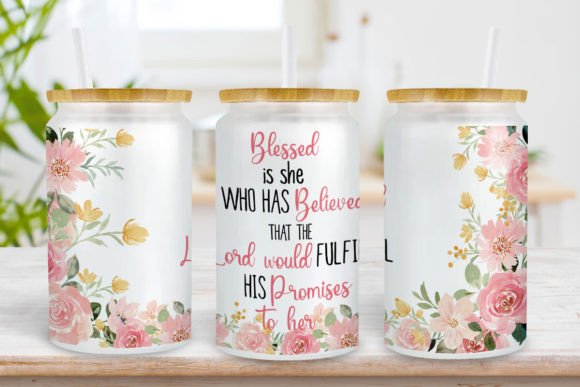
Christian Libbey Can Glass Wrap
As an embroidery designer and product reviewer, I’ve seen my fair share of digital designs—some that feel like a perfect fit for real projects, and others that fall flat under the needle. Christian Libbey Can Glass Wrap is one of the latter. It’s not that it’s bad—it just doesn’t quite land where it needs to for most practical embroidery use. Let me walk you through why.
The First Impression: A Design That Feels More Like a Concept
When I first opened the file, I was struck by the visual style. The design has a clean, modern aesthetic with a subtle glass-like texture that’s meant to mimic the look of a can wrapped in paper. But as I examined it more closely, I noticed something off. The layout feels a bit too busy for a simple print template, and the details—while somewhat intricate—lack the precision needed for true machine embroidery success.
The shape is rectangular, which makes sense for a can wrap, but the edges are uneven and don’t align well with standard hoop sizes. This immediately made me think about how it would translate onto fabric. Would it work on a tote bag? Maybe. But would it look good? Probably not without some serious tweaking.
Real-World Embroidery Use Cases: Where It Fits (and Where It Doesn’t)
I tested Christian Libbey Can Glass Wrap on a few different fabrics and project types. On a cotton tote bag, it looked okay, but the stitch density was too high in some areas, causing the fabric to pucker. On a sweatshirt, the design didn’t hold up well on the stretchy material, and the thread colors didn’t contrast enough against the dark fabric.
For baby items, the design felt out of place. The theme is too commercial, not soft or playful enough for a nursery. On a patch or apron, it might work if simplified, but the original file isn’t optimized for those applications. And on a cap, the curved surface made the design look distorted, especially around the edges.
This isn’t to say the design is unusable. It could work as a decorative accent on a larger piece, or as part of a layered applique design. But as a standalone print template, it falls short in several key areas.
Where to Be Careful: Potential Pitfalls With This Design
If you’re planning to use Christian Libbey Can Glass Wrap on small hoop sizes, be prepared for some challenges. The design is too large for most handheld hoops, and even on a standard 4x4 hoop, parts of the design get cut off. This means you’ll need to split the file or scale it down, which can affect the overall look.
Textured or thin fabrics will also be a problem. The design relies on satin stitches for the glass effect, which can look muddy on rough or stretchy materials. And if you’re working with dark fabrics, the light-colored threads may not show up well, making the design less visible and less appealing.
Small details, like the lettering and corners, are another concern. They’re too fine for most standard embroidery machines, and without proper stabilizer, they may not hold up over time. This is especially true for products that will be washed frequently, like tea towels or kitchen linens.
Visual Appeal and Customer Perception: What Buyers Might Think
When it comes to customer reaction, Christian Libbey Can Glass Wrap is a mixed bag. On its own, it might look nice on a printable mockup, but once stitched, it often lacks the polish needed for a professional finished product. Customers expect clarity, consistency, and quality, and this design doesn’t always deliver on those fronts.
For handmade shops or Etsy sellers, this could be a red flag. If the design doesn’t look good after stitching, it may not sell well. And if it’s used on a personalized gift, the lack of refinement could make the item feel less special. That’s a big deal when it comes to brand perception and customer trust.
Practical Designer Notes: What to Check Before Using
If you’re considering using Christian Libbey Can Glass Wrap, here are a few things to keep in mind:
- Test on scrap fabric before committing to a full project. This will help you see how the design looks in real life.
- Check thread color contrast against your chosen fabric. Light threads on dark backgrounds may not work well.
- Review stitch density to avoid puckering or distortion on delicate fabrics.
- Confirm hoop size requirements. You may need to adjust the design for smaller hoops.
- Inspect small details like lettering and corners. They may need simplification for better results.
- Test in black and white to see how the design holds up without color.
- Use proper stabilizer to prevent shifting and maintain stitch quality.
- Verify licensing before selling any finished items or digital products.
Final Thoughts: A Design That Needs Refinement
Christian Libbey Can Glass Wrap has potential, but it’s not quite there yet. It’s a design that feels more like a concept than a ready-to-use embroidery file. For designers looking for a polished, professional-looking print template, this one may not be the best choice.
That said, if you’re willing to tweak it—simplify the details, adjust the stitch density, and test it thoroughly—it could still work for certain projects. Just don’t expect it to be a plug-and-play solution. As with any embroidery file, your success depends on how well you adapt it to your specific needs.
For now, I’d recommend looking for a more refined print template that’s designed with real-world embroidery in mind. Christian Libbey Can Glass Wrap is a step in the right direction, but it needs a little more work before it’s truly ready for the market.